
- 408-924-7560
- Email MTI
- Individual Giving
- Corporate & Foundation Giving

Preparing Railroad Organizations to Respond to Extreme Events
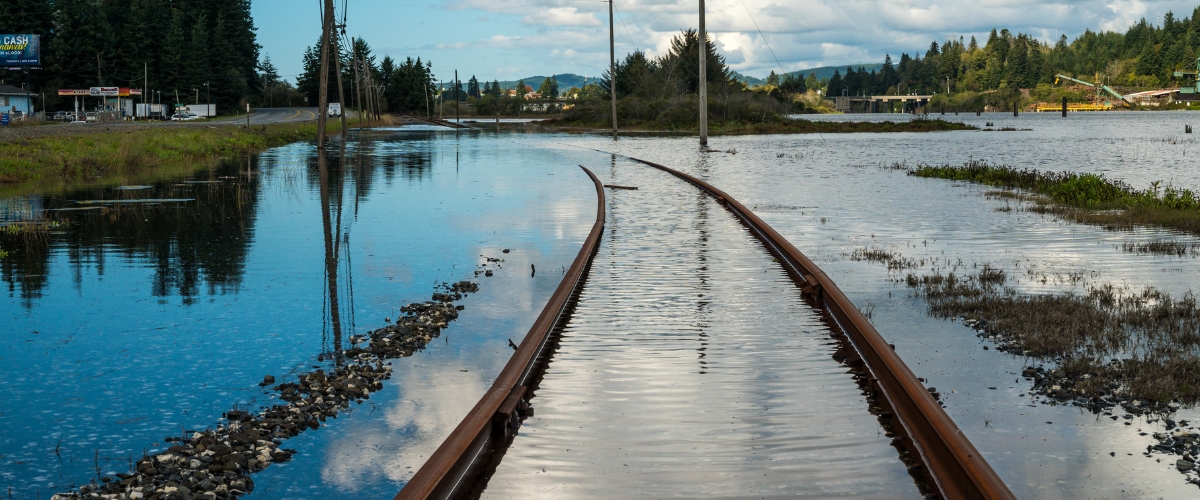
This project delivers a comprehensive suite of research, planning tools, training resources, and operational guidance designed to help railroads prepare for, respond to, and recover from extreme weather and other large-scale emergencies. The deliverables include foundational research on the impacts of extreme weather on rail infrastructure and operations; Threat and Hazard Identification and Risk Assessment (THIRA) guidance; emergency operations planning resources; Incident Command System (ICS)-based training materials for both field and managerial personnel; downloadable instructor and student training kits; videos and implementation resources; guidance for augmenting Emergency Operations Centers during extreme events; and exercise frameworks that help railroads and partner agencies practice coordinated emergency response. Together, these resources support safer operations, stronger interagency coordination, improved preparedness, and faster system recovery during crises such as floods, hurricanes, wildfires, snowstorms, and other extreme events.
The five-part documentation series and accompanying resources are available below for download and implementation by railroad agencies, emergency managers, trainers, and field personnel.
| Content | Description & Links |
|---|
|
OVERVIEW Planning, Training, and Exercising for Extreme Events on the Railroad |
Scientists have noted that extreme weather (e.g., hurricanes, drought) poses a multi-pronged threat to railroads, warning that without proactive adaptation, the industry will face degrading infrastructure, increased safety hazards, and sharply rising operational costs. Knowing how to manage emergencies generated by natural hazards like snow storms, hurricanes, and flooding is critical for safe operation of the railroads throughout the United States. The Field Personnel Respond: Incident Command System (ICS) for Extreme Events on the Railroad presents critical information on best practices and useful initiatives related to rail hazards associated with extreme weather in North America. This research builds on foundational Department of Transportation documents on the use of the Incident Command System (ICS) and, through a survey of past events and current practices, supports North America’s railroads to prepare their personnel, equipment, and infrastructure for extreme weather hazards. |
|
PART 1 Identify the Problems: Threat and Hazard Inventory and Risk Assessment (THIRA) |
Extreme weather can create new challenges for all critical transportation infrastructure, especially for railroads with an open system that is continuously exposed to the elements. A Threat and Hazard Identification and Risk Assessment (THIRA) is a necessary first step for an organization to understand the challenges and develop strategies for adaptation to such hazards. This guide will assist railroad risk managers and emergency managers to evaluate the risks of extreme weather events and determine how best to respond to them through preparation, mitigation, or adaptation. The THIRA is the first step in understanding the scope of the extreme weather challenges faced by railroads. |
|
PART 2 Address the Problem: Develop an Emergency Operations Plan for Extreme Events |
Railroads operate in an open environment that is subject to weather-related impacts on its rolling stock, right-of-way, and control systems. Planning in advance for these impacts enables the organization to build from a threat analysis to an organized response. In recent years, weather has created notable extreme events impacting railroad property, such as Hurricane Sandy, Hurricane Helene, and numerous wildland fires. If these extreme events become more common, the railroads can benefit from advanced emergency planning that allows railroad leaders to prepare personnel, facilities, and relationships with local governments and neighboring property owners to respond to and recover from these events and minimize downtime for the rail system. Emergency plans organized around the Incident Command System and checklists enable staff working under the stress of emergency conditions to save lives, while protecting people and property, thus speeding system recovery to normal operations. |
|
PART 3 Field Personnel Respond: Incident Command System (ICS) for Extreme Events on the Railroad |
The “Field Personnel Respond: Incident Command System (ICS) for Extreme Events on the Railroad” project provides a comprehensive suite of resources to help railroads prepare for and respond to emergencies. Developed in alignment with the federally mandated Incident Command System (ICS), these materials are designed to ensure seamless coordination across multi-jurisdictional and multi-professional teams to help protect infrastructure and save lives. The content on this page includes everything needed to build ICS kits and implement effective training on ICS for rail professionals and equip personnel with the tools and knowledge necessary to enhance safety, accountability, and operational efficiency during crisis situations. In the case of extreme events such as wildfires, floods, and earthquakes, rail professionals may increasingly find themselves first on scene during an emergency and therefore responsible for reducing harm. The documents and instructor-led training decks support the preparation of individuals and organizations, emphasizing the importance of readiness at all levels and especially in the first critical moments of an emergency. |
|
PART 4 Managerial Personnel Respond: Augment the Emergency Operations Center for Extreme Event |
Railroads have been managing normal emergencies for more than 150 years. They have plans and equipment, such as snow sheds and fire trains, to respond to normal emergencies. Extreme weather-related emergencies place heavy demands on railroads, which operate while exposed to the elements. Preparing an emergency operations center for the railroad, and preparing to join a regional response to wildfires, hurricanes, tornadoes, floods and other extreme events is good risk management. |
|
PART 5 Practice Responses to Extreme Events on the Railroad: Exercises of the Plans and Training |
Emergency management for extreme railroad events is a “seldom-used skill,” and responses typically involve many railroad personnel and outside agencies that seldom work together. The emergency management system offers a framework to establish coordination quickly, but it must be practiced through exercises, since (ideally) it will be needed only for a few real incidents. This document serves as a guide to these exercises. The exercises outlined in this document allow the participants to understand the connections and collaboration necessary for successful outcomes, and to see, hear, and do the required activities, which leads to the best information retention by adults. Multiple types of exercises are described in detail to allow emergency management staff to accomplish various levels of familiarization, development, and practice with railroad staff and collaborating agencies. Successful exercises build confidence in railroad staff so that they can work successfully under the high-pressure environment of a real event. |
-




Contact Us
San José State University One Washington Square, San Jose, CA 95192 Phone: 408-924-7560 Email: mineta-institute@sjsu.edu

